Investing in real estate remains one of the most reliable and profitable ways to preserve and grow capital. In Turkey, there are two popular options: buying seaside apartments and buying commercial property. Both have their advantages and suit different goals. Let's look at which may be more profitable for you.
-
1. Seaside apartments: appeal and returns
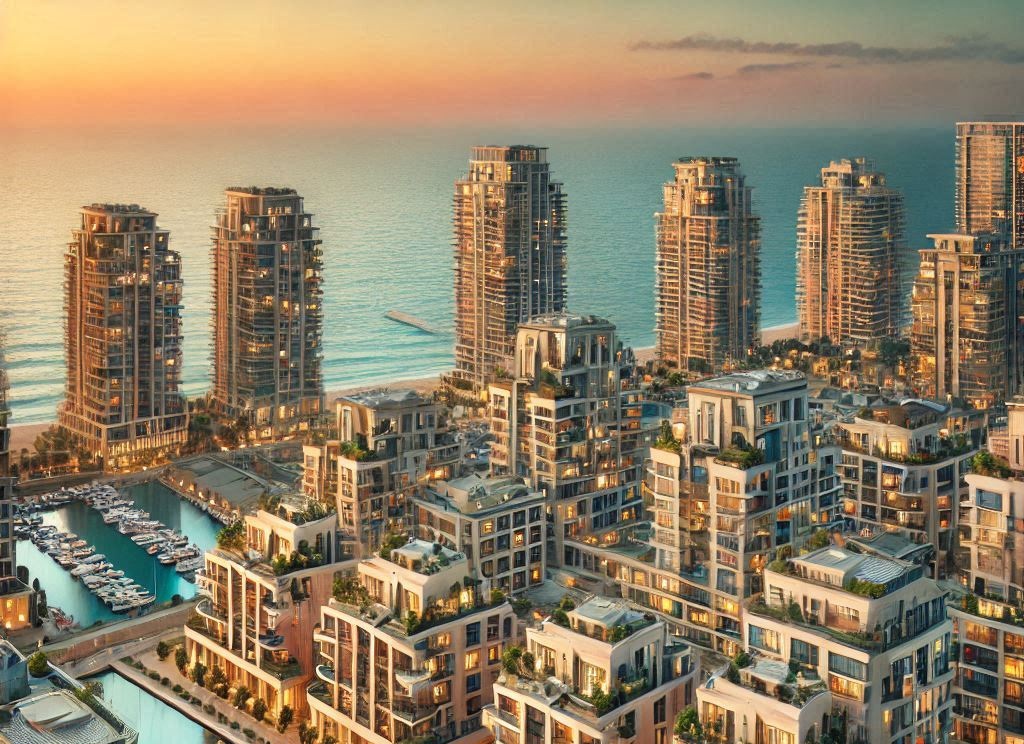
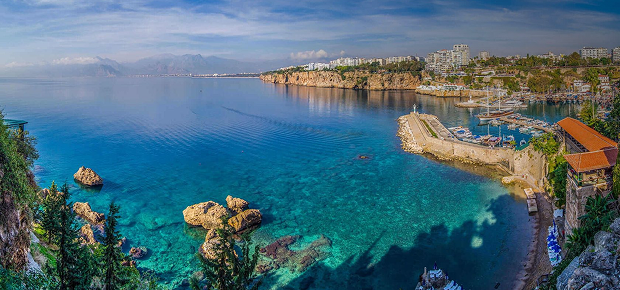
Apartments on the Turkish coast, especially in cities such as Alanya, Antalya and Bodrum, are in high demand among tourists and long-term tenants.
Advantages:
- Popularity with tenants: Tourists and foreigners actively rent apartments, which ensures a steady income.
- Liquidity: Seaside property is easier to sell, especially in popular resort areas.
- Flexibility: You can use the home for your own holidays and rent it out the rest of the time.
- Price growth: The value of seaside homes is rising steadily thanks to limited supply.
Rental income:
- Short-term rental: In season, income can reach 50–150 euros per night, depending on the location and condition of the apartment.
- Long-term rental: Average income — 500–1000 euros per month.
Disadvantages:
- Seasonality: Short-term rental income depends heavily on the tourist season.
- Aidat: Monthly fees for maintaining the residential complex.
- Vacancy risk: In the low season, the apartment may stand empty without tenants.
-
2. Commercial property: steady income and growth potential
Investment in commercial property (offices, shops, warehouses) is often chosen by those looking for a stable passive income.
Advantages:
- Long-term tenants: Commercial tenants usually sign contracts for 3 to 10 years, which ensures a stable income.
- No seasonality: Rental income does not depend on tourist flows.
- Higher yield: The average yield of commercial property is 8–12% per year, higher than that of residential property.
- Minimal operating costs: Unlike residential property, commercial tenants often cover the maintenance costs.
Rental income:
- Shops and offices in Turkey's large cities can bring in 1000–5000 euros per month, depending on the location.
Disadvantages:
- High initial investment: Commercial property is usually more expensive than residential.
- Risk of vacant space: Finding a new tenant can be harder than for residential property.
- Economic fluctuations: The yield of commercial property may depend on the state of the economy.
-
3. Comparing returns and risks
| Criterion |
Seaside apartments |
Commercial property |
| Yield |
6–8% per year |
8–12% per year |
| Income stability |
Depends on the season |
Stable thanks to long-term tenants |
| Initial investment |
From 80,000 to 300,000 euros |
From 200,000 euros |
| Liquidity |
High (easy to sell to tourists and foreigners) |
Moderate (depends on the property type) |
| Risks |
Seasonality, maintenance costs |
Difficulty finding tenants |
-
4. How to choose?
- If you want to invest in the tourism sector: Choose seaside apartments. They offer flexibility, the option of personal use and steady demand in tourist areas.
- If you are looking for a stable passive income: Commercial property is a better fit thanks to long-term leases and the absence of seasonal fluctuations.
- If your budget is limited: Seaside apartments require a smaller initial investment.
-
5. Investment recommendations
For apartments:
- Choose areas with well-developed infrastructure close to the beaches: (for example, Alanya, Antalya).
- Invest in complexes with modern amenities: such as swimming pools, gyms and security.
For commercial property:
- Consider properties in large cities: (Istanbul, Ankara) or tourist centers.
- Pay attention to the location: main streets, areas with high foot traffic.
-
Conclusion
Both seaside apartments and commercial property have their advantages. If you are ready to work with the tourist segment and earn rental income in season, a seaside home is the ideal choice. If you are looking for a stable income with minimal involvement, commercial property will be the better option.
Planning to buy property in Turkey? We will help you compare regions and properties to suit your goals. Write to us: mail@sipwall.estate